Understanding Pricing for Commercial Dumpster Rentals in Queens
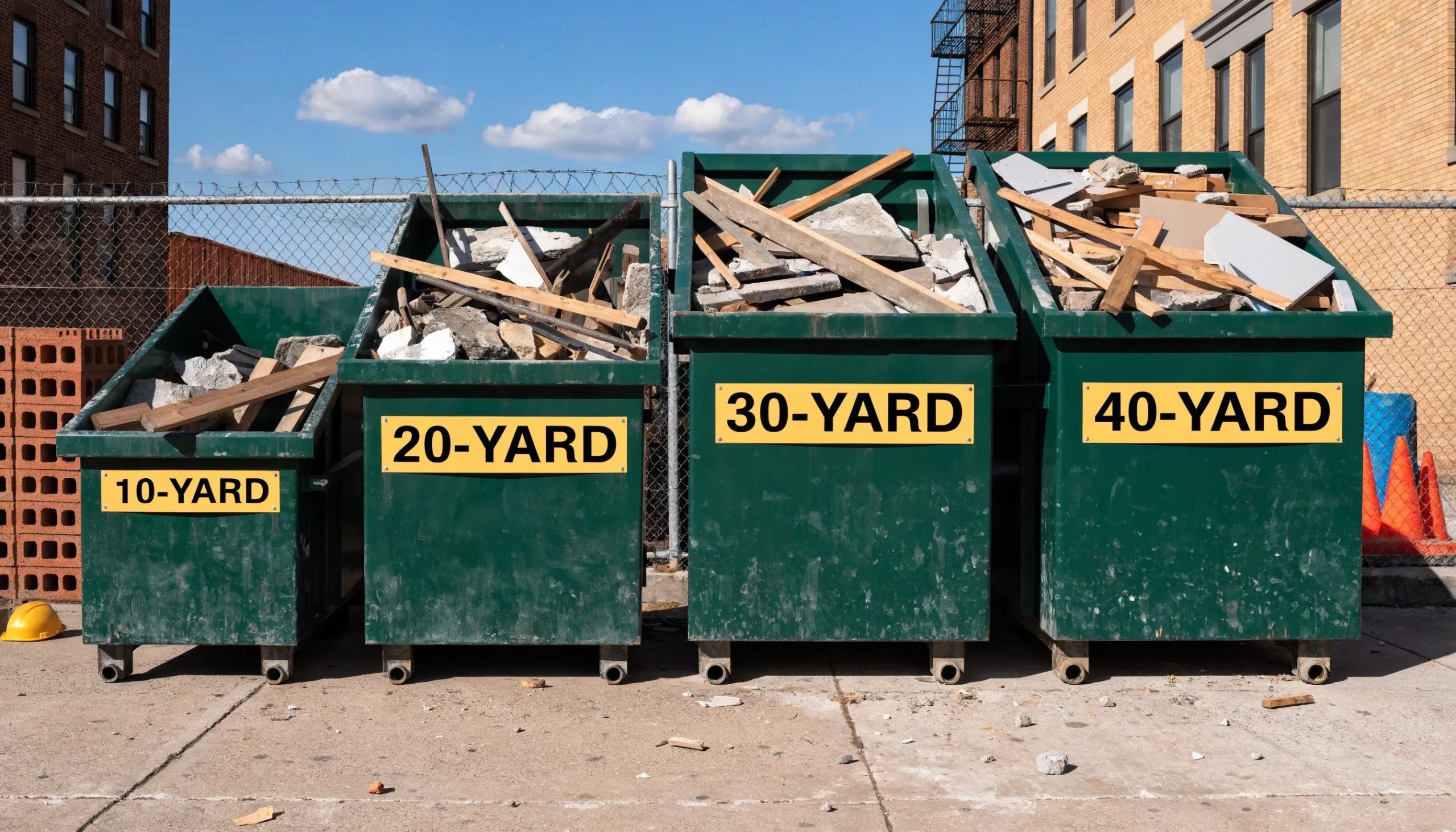
Understanding Pricing for Commercial Dumpster Rentals in Queens: Cost Rates and Service Insights
Commercial dumpster rental pricing in Queens depends on several predictable drivers, including dumpster size, rental duration, waste type, and local regulations. This comprehensive article summarizes typical rates by size, common service fees, rental-period considerations, and alternatives such as junk removal so that business owners, contractors, and project managers can plan waste management efficiently and cost-effectively while ensuring compliance with local ordinances.
Cost Rates
Rental rates fluctuate based on dumpster size, rental period, waste type, and service provider. Below are typical price ranges for common commercial dumpster sizes in Queens, serving as a budgeting baseline:
| Size | Average Price |
|---|---|
| 10-yard dumpster | Approximately $300 to $400 |
| 20-yard dumpster | Approximately $400 to $600 |
| 30-yard dumpster | Approximately $500 to $700 |
| 40-yard dumpster | Approximately $700 to $900 |
Note that final costs often include delivery fees, disposal (tipping) fees, surcharges for restricted or heavy materials, permits, and sometimes fuel surcharges. Standard rental periods usually range from one to several weeks, but flexibility varies by provider.
Factors Influencing Pricing
Key variables impacting dumpster rental costs in Queens include:
- Dumpster Size: Larger units entail higher base rental and disposal costs.
- Rental Duration: Typical rental terms are 7–14 days. Longer rentals usually increase fees, sometimes billed daily.
- Delivery and Permit Fees: Delivery charges vary by distance and complexity; permits are often required for dumpster placement on public property and can add modest to significant fees.
- Type of Waste: Certain materials (e.g., concrete, dirt, hazardous waste) incur additional disposal fees due to special handling requirements.
- Seasonal Demand: Peak construction seasons in Queens can raise prices due to higher demand and limited availability.
Engaging providers early and clarifying all fees and requirements helps avoid surprise costs and scheduling delays.
Available Dumpster Sizes
Queens suppliers commonly offer 10-, 20-, 30-, and 40-yard roll-off dumpsters. Selecting the properly sized container reduces the need for multiple deliveries or overage fees due to excess waste volume.
- 10-yard: Ideal for small cleanouts, minor renovations, or limited debris.
- 20-yard: Common choice for medium-sized renovation projects or businesses.
- 30-yard: Suitable for larger renovation or commercial construction projects.
- 40-yard: Designed for major construction sites or large-scale commercial waste management.
Providers can often recommend sizes based on project scope and similar local jobs, optimizing cost-efficiency and minimizing logistical challenges.
Typical Roll-Off Dumpster Dimensions in Queens
Understanding actual dimensional sizes is crucial for space planning and compliance with Queens’ urban site restrictions:
- 10-yard: Approximately 12′ long × 8′ wide × 3.5′ high.
- 20-yard: Approximately 20′ long × 8′ wide × 4.5′ high.
- 30-yard: Approximately 22′ long × 8′ wide × 6′ high.
- 40-yard: Approximately 22′ long × 8′ wide × 8′ high.
Confirm exact dimensions with your supplier to ensure adequate placement space, especially in Queens’ dense urban environment where street widths, parking restrictions, and pedestrian pathways are critical considerations.
Choosing the Right Dumpster Size
Selecting an appropriately sized dumpster includes assessing:
- Waste Volume: Estimate debris quantity conservatively, considering potential project changes.
- Material Type: Bulky or heavy materials may require specialized containers or incur higher fees.
- Site Constraints: Urban access limitations may restrict dumpster size or placement options.
Overfilling dumpsters can cause additional charges and safety risks, while choosing too small a container can result in project delays and unexpected costs.
Permit Requirements in Queens
Permits are required when dumpsters are placed on public property, including streets, sidewalks, or other government-owned spaces. Permit fees vary based on location and duration, ranging from nominal application costs to several hundred dollars. Queens’ Department of Transportation administers most permits, and securing permits prior to delivery prevents fines and project delays.
Permit application timelines vary and can extend rental duration if approvals are delayed, so early coordination is essential.
Typical Additional Fees and Charges
Be aware of commonly applied fees that affect total rental costs:
- Delivery Fees: Based on distance, access difficulty, and scheduling needs.
- Tipping/Disposal Fees: Charged per weight or volume at landfill or recycling centers; rates vary by waste type.
- Weight Overage Charges: Applied if the dumpster exceeds the weight limit, often calculated per ton.
- Extension Fees: For rentals extending beyond the agreed term, typically charged daily.
- Permit Fees: For placing dumpsters on public property or rights-of-way.
Request full written estimates detailing all potential fees before signing rental agreements to accurately compare provider quotes.
Environmental and Regulatory Considerations in Queens
Queens enforces strict local regulations on waste disposal and recycling, particularly for construction and demolition debris. Ensure your waste management provider complies with local environmental laws and employs authorized landfill or recycling facilities. Choosing haulers dedicated to recycling and waste diversion supports your sustainability objectives and aligns with New York State Department of Environmental Conservation guidelines.
Delivery and Logistics in Urban Queens
Queens’ dense urban environment affects delivery schedules and dumpster placement options. Narrow streets, heavy traffic, limited parking, and utility markings may restrict access. Providers familiar with Queens regulations and logistics can navigate these challenges more efficiently, reducing delays and additional charges. Early communication about site-specific access considerations can streamline delivery and pickup processes.
Junk Removal Services Compared to Dumpster Rentals
For some projects, junk removal services may be preferable to dumpster rentals:
- Cost Efficiency: Dumpsters typically offer better rates for large-volume or heavy debris; junk removal can be more affordable for small, labor-intensive cleanouts.
- Service Scope: Junk removal includes loading labor; dumpsters require customers to load by themselves or hire separate labor.
- Space Considerations: Junk removal eliminates the need for on-site container placement, useful in restricted urban areas.
Deciding between options depends on project size, budget, timeline, and site access.
Industry Trends Impacting Pricing in Queens
Current market trends influencing dumpster rental costs include increased construction activity, rising landfill tipping fees, and enhanced environmental regulations promoting recycling and waste diversion. Additionally, technological advancements, such as online quoting and scheduling tools, improve service transparency. Staying informed about these evolving factors helps businesses anticipate cost fluctuations and incorporate sustainable waste management practices.
Choosing a Reputable Dumpster Rental Provider in Queens
Reliable service providers ensure compliance, timely delivery, and competitive pricing. When selecting a company, verify:
- Proper licensing and insurance.
- Experience operating within Queens’ regulatory environment.
- Transparent fee structures and contract terms.
- Positive customer reviews and references.
- Availability of digital service tools such as online booking and tracking.
Partnering with reputable providers reduces risk and facilitates smooth project execution.
Best Practices for Efficient Dumpster Rental in Queens
Optimize your rental by planning waste management early, clearly communicating project scope and waste types to your provider, and aligning rental periods with project phases to minimize extension costs. Account for urban site access and permit requirements well in advance. Efficient loading and timely scheduling help contain costs and avoid delays.
Frequently Asked Questions
What is the average duration for renting a dumpster in Queens?
Typical dumpster rentals last between 7 to 14 days. Longer rental periods can usually be negotiated, often incurring additional daily fees. Confirm rental timelines with your provider to avoid unplanned extension charges.
Are there restrictions on what can be placed in a dumpster?
Yes. Hazardous materials such as chemicals, paints, batteries, electronics, and certain construction debris are prohibited or require special handling. Verify acceptable materials with your rental provider to ensure compliance.
How do seasonal demand and local regulations impact dumpster pricing?
During peak construction seasons, demand rises and prices may increase. Local regulations, including permit requirements, administrative fees, and disposal rules, also factor into costs. Be sure to include these in your project budget.
How do you calculate the total cost of a dumpster rental?
Total cost is computed as the sum of base rental fee, delivery charges, permit fees if applicable, tipping/disposal fees based on waste volume and type, weight overage charges, and extension fees. Obtain a detailed written quote that itemizes all fees.
Can businesses negotiate dumpster rental rates, and how?
Yes, negotiations are possible, especially for repeat business, long-term rentals, or large volume contracts. Discuss frequency, rental duration, and waste types with providers and request competitive quotes to facilitate negotiations.
What should businesses consider when planning a dumpster rental?
Important factors include waste volume and type, dumpster size selection, rental duration aligned with project schedule, local permit requirements, site access constraints, and budgeting for additional fees such as tipping and delivery.
How does the location of service providers affect rental options and pricing?
Proximity influences delivery fees and service availability. Choosing locally-based providers in Queens can reduce delivery charges and improve responsiveness.
Ready to Manage Your Waste Efficiently?
Contact experienced Queens dumpster rental providers today to get accurate quotes, confirm size and permit details, and ensure seamless service tailored to your project needs.
Conclusion
Understanding the primary cost drivers—dumpster size, rental duration, and additional fees such as delivery, permits, and disposal taxes—allows Queens businesses and contractors to manage commercial waste effectively while controlling expenses. Early planning, selecting the correct dumpster size, securing necessary permits, and partnering with reputable providers versed in local regulations contribute to a streamlined, compliant, and cost-efficient dumpster rental experience. Balancing environmental considerations and urban site challenges with project goals ensures successful waste management throughout construction and renovation projects in Queens.