Dumpster Size Prices Queens | Rental Sizes and Pricing
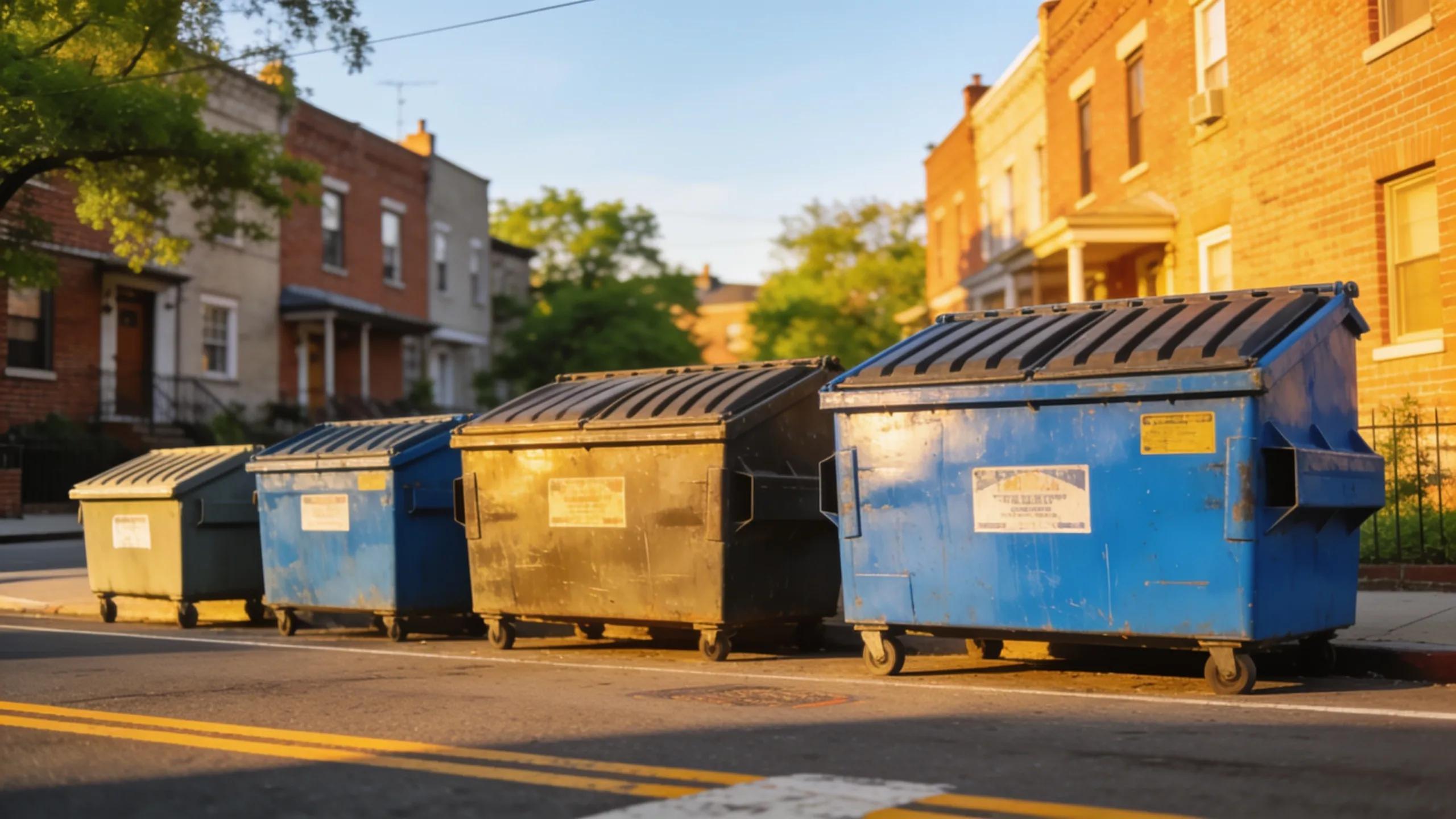
Does Dumpster Size Affect Rental Pricing in Queens NY: A Clear Cost Guide
Dumpster size is a primary factor in rental pricing. Understanding how size affects cost is essential for accurate budgeting in Queens, NY, a region with diverse residential, commercial, and construction waste management needs. This comprehensive guide explains how dumpster size influences rental fees, the factors that drive those fees, and the common sizes offered locally. With this information, you can choose the most suitable dumpster size to optimize costs, avoid unexpected charges, and ensure efficient waste management.
Knowing how size and pricing interact helps you avoid overspending. Larger units generally cost more, but selecting the correct size optimizes your budget and project efficiency. This article covers the size–cost relationship, additional pricing drivers, and a detailed local size comparison so you can make an informed rental decision backed by expert advice and knowledge of Queens market practices.
How Dumpster Size Affects Rental Costs
Dumpster size directly impacts rental cost through capacity and weight limits. Larger dumpsters hold more waste and typically carry higher base fees due to increased hauling, disposal, and administrative expenses. Providers factor in fuel consumption, labor, and landfill tipping fees that increase with volume and weight. In Queens, where urban density and landfill regulations contribute to operational complexity, these costs can be especially pronounced.
Selecting a dumpster size that closely matches your waste volume avoids paying for unused capacity and unnecessary weight surcharges. Conversely, undersizing can lead to overage fees or requiring multiple pickups, which inflate total costs. Careful size selection is critical for budget control, particularly in Queens, where permit processes and street space limitations may affect placement and scheduling.
Additionally, the type and density of debris influence pricing. Heavy materials such as concrete, dirt, or construction rubble can reach a dumpster’s weight limit faster than lighter items like household trash. Rental companies often charge extra per ton exceeding weight allowances. Accurately assessing your waste type and volume allows you to choose an appropriately rated container to prevent unexpected fees.
Additional Factors Influencing Pricing
Beyond size, several other factors affect dumpster rental pricing in Queens, NY. Being aware of these variables ensures accurate cost estimates and improved planning. Key considerations include:
- Rental Duration: The rental period—daily, weekly, or monthly—significantly impacts the total cost. Longer durations accrue higher fees as service providers allocate resources, manage pickup schedules, and mitigate storage risks in busy urban areas.
- Type of Debris: Different waste types have varying disposal requirements and fees. Hazardous materials, electronic waste, tires, and construction debris often require special handling, regulated disposal pathways, and higher fees. Confirming acceptable waste types with your provider avoids compliance issues and surcharges.
- Permit Requirements and Placement Location: Renting a dumpster often requires permits when placing containers on public property, streets, or sidewalks—a common necessity in Queens due to space constraints. Queens regulations mandate permits to ensure safety and accessibility. Obtaining permits adds costs and requires lead time. Private property placement typically has fewer restrictions but verifying local rules is essential.
- Pickup and Delivery Fees: Distance from the waste management facility and frequency of pickups can affect charges. Some companies include delivery and pickup in the base price; others itemize these fees separately. Understanding the fee structure supports better budgeting.
- Additional Services: Some companies offer flexible scheduling, size exchanges, or waste sorting assistance, which may add convenience at extra cost. Evaluating value versus price is important when selecting a rental provider.
Factoring in all these elements enables you to estimate total costs more accurately and make informed decisions aligned with your project needs and budget.
Comparative Analysis of Various Dumpster Sizes
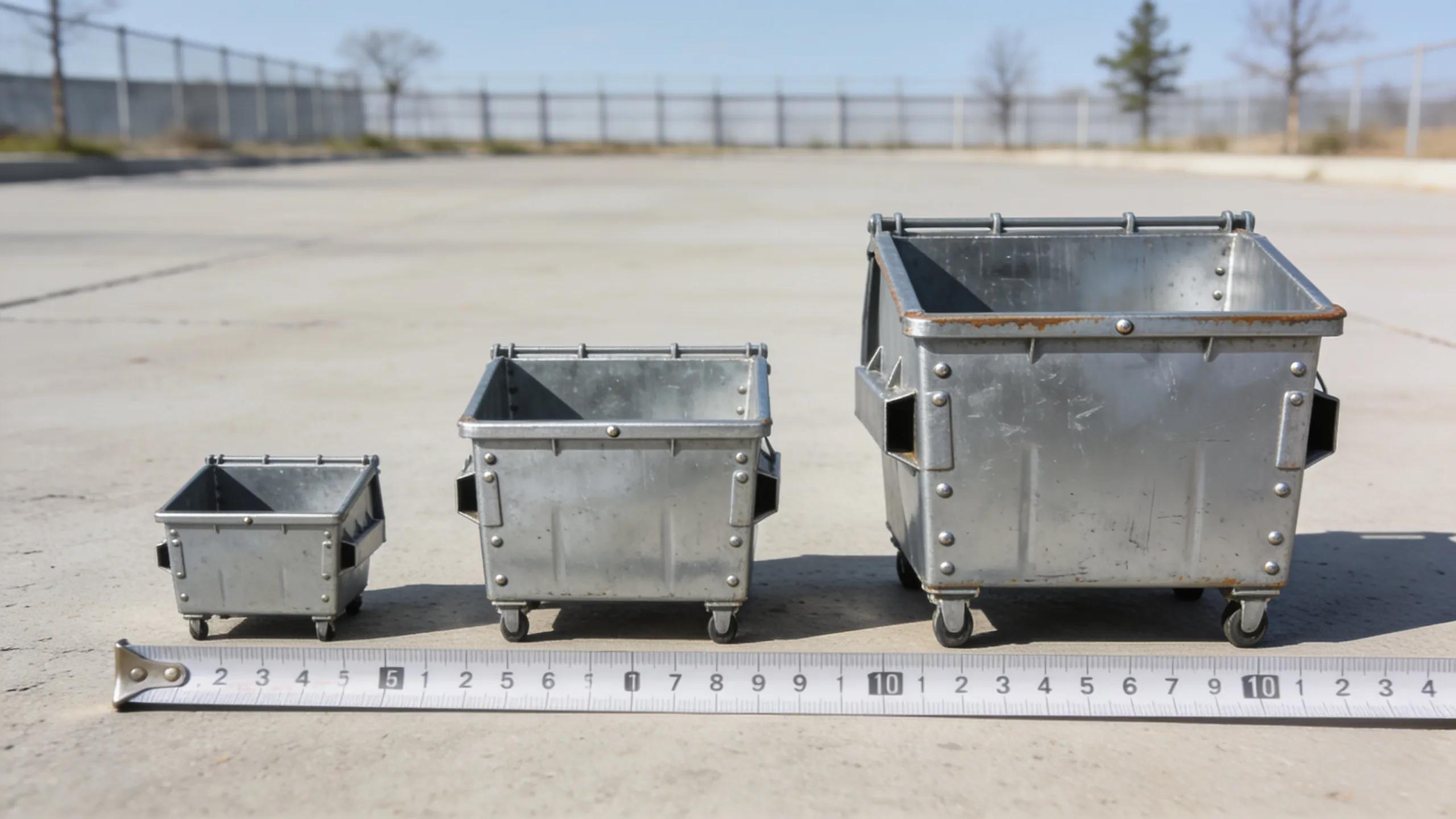
The table below compares common dumpster sizes available in Queens, NY, outlining their estimated capacities, typical uses, and price ranges based on current market trends. This helps you select the right dumpster size tailored to your project scale and budget constraints.
| Dumpster Size | Capacity | Typical Use | Typical Price Range |
|---|---|---|---|
| 10-yard | Holds about 2 tons | Small home projects, minor cleanouts | $300 – $450 |
| 20-yard | Holds about 3 tons | Medium renovations, kitchen or bathroom remodels | $400 – $550 |
| 30-yard | Holds about 4 tons | Large cleanouts, whole house renovations | $500 – $700 |
| 40-yard | Holds about 5 tons | Major construction projects, commercial debris | $600 – $800 |
This comparison highlights how size correlates with capacity and intended use, providing clarity for budgeting and waste management planning. Keep in mind that prices vary based on debris type, rental length, and service provider.
Choosing the correct dumpster size and accounting for related pricing factors helps you maintain control over costs while effectively managing your waste removal needs. This guidance is particularly valuable for homeowners, contractors, and businesses undertaking construction, renovation, and large-scale cleanups in Queens, NY.
Frequently Asked Questions
1. What is the most common dumpster size used for home renovations in Queens?
For home renovations in Queens, the 20-yard dumpster is the most commonly rented size. It holds approximately 3 tons and suits medium-sized projects like kitchen or bathroom remodels, minimizing the risk of overage charges while providing ample space. Larger renovations or whole-house projects might require a 30-yard dumpster to accommodate increased waste volume efficiently.
2. Are there specific types of debris that can’t be dumped in a rental dumpster?
Yes, certain materials are generally prohibited: hazardous waste, chemicals, tires, electronics, large appliances, paint, and asbestos-containing materials. Rental companies maintain detailed lists of banned items to comply with local laws and environmental regulations. Always confirm acceptable materials with your provider before rental to avoid fines and ensure safe disposal.
3. How can I reduce costs on my dumpster rental in Queens?
You can lower rental costs by selecting the precise dumpster size to avoid paying for unused capacity, minimizing rental duration, and segregating waste to reduce disposal fees for heavy or hazardous items. Additionally, inquire about discounts, bundled service packages, or off-peak rental periods from Queens providers to save money.
4. Is it necessary to obtain a permit for placing a dumpster on the street in Queens?
Yes, in Queens, placing a dumpster on public streets, sidewalks, or other public property generally requires obtaining a city permit to ensure public safety and maintain accessibility. Permit costs and application procedures vary by neighborhood and project type. Contact the local municipal or Department of Transportation office prior to rental to secure necessary permits and avoid penalties.
5. How does the weight of debris affect rental costs?
Debris weight is crucial to rental pricing. Dumpsters have weight limits, and exceeding them can incur significant overage fees. Heavy materials like concrete, bricks, and soil reach these limits quickly. Selecting a dumpster designed for higher weight capacity or scheduling multiple pickups helps manage costs. Assessing your waste’s weight profile beforehand is essential for accurate budgeting and fee avoidance.
6. What are the implications of long-term dumpster rentals?
Long-term rentals tend to increase total costs as daily or weekly fees accumulate. Extended rentals may also trigger local regulations requiring periodic inspections or special permits. Planning your project timeline to minimize rental duration and scheduling prompt pickups can reduce expenses and regulatory complexities.
7. Can I share a dumpster with a neighbor to save on costs?
Sharing a dumpster can effectively lower costs by splitting rental fees and maximizing container use. If opting to share, communicate clearly with neighbors, document agreements regarding size, rental duration, and permitted waste types, and ensure compliance with the rental agreement and local regulations to prevent disputes or violations.
Cost of Purchasing a 40-Yard Dumpster
Purchasing a 40-yard dumpster typically involves a significant investment, often ranging from several thousand to over ten thousand dollars depending on features, brand, and customization. This cost is considerably higher than renting and is generally suitable for businesses or frequent users rather than one-time projects in Queens, NY.
Capacity of a 10-Yard Dumpster
A 10-yard dumpster can hold approximately 2 tons of waste, which is typically equivalent to the volume generated by small home projects or minor cleanouts. This size usually fits about 3 to 4 pickup truck loads of debris, making it ideal for efficiently handling smaller-scale disposal needs in the Queens area.
Short-Term Rental Costs in Queens, NY
The cost to rent a dumpster for 3 days in Queens generally falls within the base rental price range listed for your dumpster size, as many providers include a standard rental period of around 5 to 7 days. For short-term rentals like 3 days, prices often do not significantly differ from weekly rates, but verifying with the service provider is recommended for precise pricing. Local demand and permit requirements can also influence these costs.
Conclusion
Understanding how dumpster size affects pricing empowers you to make cost-effective choices for waste disposal in Queens, NY. By considering factors such as debris type, rental duration, permit requirements, and additional fees, you can budget more accurately and avoid unexpected charges. Careful planning, coupled with our detailed dumpster size comparisons and expert tips, helps you select a container that meets your project’s needs efficiently and economically. Review the range of dumpster rental options available locally to find the best fit and proceed with confidence toward a successful waste management solution.