Why Are Dumpster Rental Prices Different in Queens? Understanding Costs and Key Factors
Why Are Dumpster Rental Prices Different in Queens? Understanding Costs and Key Factors
Dumpster rental prices in Queens vary because local regulations, dumpster characteristics, debris types, and logistics each change the cost structure that providers must manage. This article explains how size, rental duration, weight limits, debris category, delivery and pickup logistics, and permit rules interact to create different price outcomes for residents and contractors across Queens. Understanding these drivers helps project planners estimate budgets, avoid surprise overage fees, and choose the right dumpster size and pricing model for a specific job. Here’s a breakdown of the main cost factors, a stepwise NYC DOT permit overview, a comparison of flat-rate and variable pricing models, seasonal demand guidance, a clear prohibited-items directory with disposal alternatives, an exact checklist for getting precise quotes, and practical size-and-service recommendations for residential, commercial, and construction projects. Throughout the guide, keywords like dumpster rental prices in Queens, permit cost for dumpster Queens, dumpster rental weight limits Queens, and affordable dumpster rental Queens are woven into explanations to help readers quickly find local, actionable answers.
What Are the Main Factors Affecting Dumpster Rental Prices in Queens?
Dumpster rental pricing in Queens is driven primarily by five linked factors: dumpster size (capacity), rental duration, debris type and associated disposal/tipping fees, weight limits and potential overage charges, and delivery/pickup logistics influenced by neighborhood access. These elements form the cost components that rental companies calculate when producing a quote, and each interacts with the others—larger dumpsters can carry more weight but may cost more to place in tight Queens streets, and heavier debris raises landfill fees that increase total price. Knowing how each factor contributes gives project planners leverage to reduce costs and anticipate extra charges. Let’s look at each factor in detail and show practical examples readers can use to estimate likely costs.
How Does Dumpster Size Influence Rental Costs in Queens?
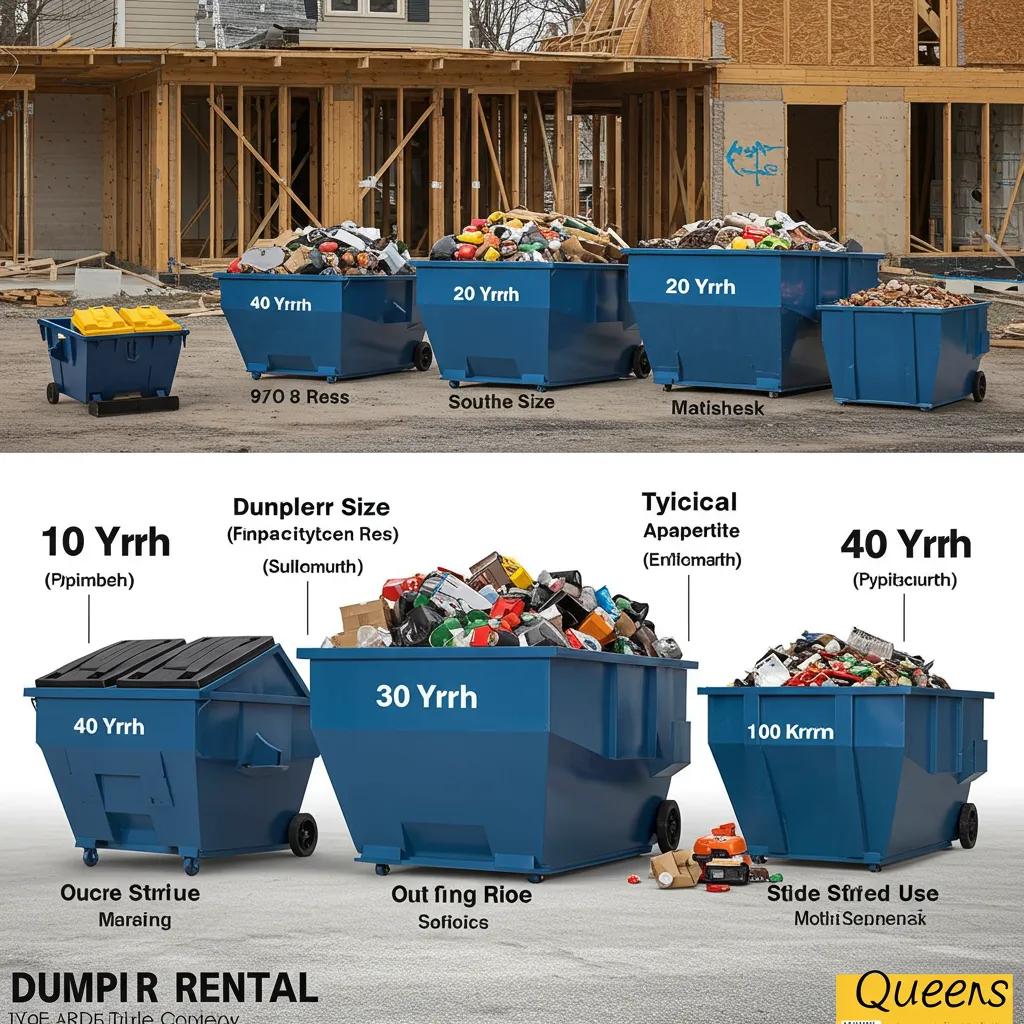
Dumpster size determines the base price because capacity sets how much material the container can accept before additional fees apply. Common roll-off sizes—10, 20, 30, and 40-yard dumpsters—serve distinct project types: small cleanouts and bathroom remodels typically fit 10-yard units, moderate renovations use 20-yard containers, larger remodels and small demolitions need 30-yard units, and major construction or commercial debris streams call for 40-yard roll-offs. Choosing the right size reduces the risk of paying for unused capacity or incurring an unnecessary upgrade, and it affects both delivery logistics and required placement permits. Accurate size selection aligns project volume with the dumpster’s capacity to optimize flat-rate or variable pricing choices for cost predictability.
Different size options and typical project matches are summarized below to help readers pick the appropriate dumpster for common Queens tasks.
| Dumpster Size | Capacity (cubic yards) | Typical Use | Relative Price Band |
|---|---|---|---|
| 10-yard dumpster | 10 cubic yards | Small cleanouts, bathroom remodels, single-room declutter | Lower |
| 20-yard dumpster | 20 cubic yards | Garage cleanouts, medium remodels, small roofing jobs | Moderate |
| 30-yard dumpster | 30 cubic yards | Whole-house renovations, larger roofing, small construction sites | Higher |
| 40-yard dumpster | 40 cubic yards | Major demolition, large commercial projects | Highest |
This size guide helps you avoid overordering and keeps your project aligned with cost expectations, which naturally leads into how rental duration affects total pricing and scheduling choices.
What Role Does Rental Duration Play in Dumpster Pricing?
Rental duration sets the time window included in the base rate and directly affects total cost when extensions or longer-term needs arise. Typical rental windows offered by many providers include a standard 7–10 day period that covers delivery, onsite fill time, and pickup; extending past that period often triggers daily or weekly extension fees or a reissued rental charge depending on provider policy. For long-term or recurring projects, monthly or contract arrangements may be available, which trade a higher per-period cost for predictable coverage and simplified logistics. Comparing the expected project timeline with standard rental periods reduces extension risk, and scheduling delivery to align with active work windows prevents idle rental days that inflate costs unnecessarily.
Understanding rental windows and extension mechanics naturally leads to thinking about the role debris type plays in disposal fees, because the kind of material you load determines whether standard landfill charges apply or if specialized handling increases expense.
How Do Different Types of Debris Affect Disposal Fees?
Debris type is a primary driver of tipping fees because landfills and processing facilities charge different rates for mixed municipal waste, construction debris, concrete/asphalt, yard waste, and hazardous materials. Materials like clean concrete, brick, and asphalt commonly carry higher disposal or processing fees due to weight and recycling requirements, while light household trash or mixed non-hazardous construction waste often costs less per ton. Separating recyclable streams—metal, clean wood, and concrete—can lower tipping fees and reduce the risk of overage charges tied to high-density materials. If you segregate heavy materials or arrange special recycling pickups, you can often see meaningful savings compared to placing mixed heavy debris in a single roll-off. These differences directly affect weight limits and potential overage fees – the next big cost factor to understand.
Why Are Weight Limits Important for Dumpster Rental Prices?
Weight limits define the included tonnage in the base rental and determine overage fees that may apply when heavy loads exceed the allowance; providers measure weight at the landfill or transfer station and bill per additional ton. Knowing the included weight allowance for each dumpster size and estimating the density of materials to be loaded (e.g., soil and concrete weigh substantially more per cubic yard than household junk) lets project owners calculate potential overage scenarios before ordering. Estimation strategies—like calculating known material weights or splitting heavy materials into separate containers—help avoid unexpected per-ton charges. Transparent sample calculations and early disclosure of debris types are effective methods to control weight-driven cost escalations.
| Dumpster Size | Typical Included Weight (tons) | Common Overage Fee (per ton) |
|---|---|---|
| 10-yard dumpster | 1–2 tons | $50–$75 per ton |
| 20-yard dumpster | 2–3 tons | $50–$75 per ton |
| 30-yard dumpster | 3–4 tons | $50–$75 per ton |
This weighted-cost perspective naturally leads us to location and delivery issues across Queens, because access and distance influence both base delivery fees and potential extra handling charges.
How Do Location and Delivery Fees Vary Across Queens?
Delivery and pickup logistics affect price through travel distance, neighborhood access constraints, and the need for special equipment or extra crew time in narrow streets or tight lots. Queens neighborhoods with congested curbside space, narrow driveways, or limited maneuvering room may require additional fees for labor or specialized placement methods, while distant borough zones can increase fuel and travel time charges. Providing precise site details—including exact address, expected placement spot, and access limitations—enables rental companies to supply accurate zone-based or site-condition fees up front. Transparent communication about site constraints reduces the chance of surprise delivery surcharges and helps balance cost against convenience.
Practical site-preparation steps and accurate site descriptions also reduce permit surprises, which ties directly into local regulatory requirements for street placement discussed next. When permit-related issues arise, providers that assist with documentation and submission can streamline the process while clarifying cost impacts.
Dumpster Rental Queens NY Pros offers a range of dumpster sizes, quick delivery, permit assistance, and transparent pricing. We help address permit, delivery, and pricing factors by matching size and weight allowances to your project, coordinating timely drop-off and pickup, and advising you on permit needs. Our quick delivery and permit assistance reduce downtime and administrative cost for you, making price estimates more reliable and predictable.
When and Why Are Permits Required for Dumpster Rentals in Queens?
Permits are required when a dumpster must be placed on a public street, sidewalk, or curb lane in Queens; private property placement typically does not need a DOT permit but may still require building or property owner approval. The NYC DOT dumpster permit process ensures safe curbside placement, traffic control, and hazard mitigation, so projects that block a travel lane or occupy public space need formal authorization. Understanding when a permit is necessary and the typical timeline for approval prevents illegal placement penalties and late project starts that raise costs. Here’s a quick, step-by-step look at the NYC DOT process.
What Is the NYC DOT Dumpster Permit Process in Queens?
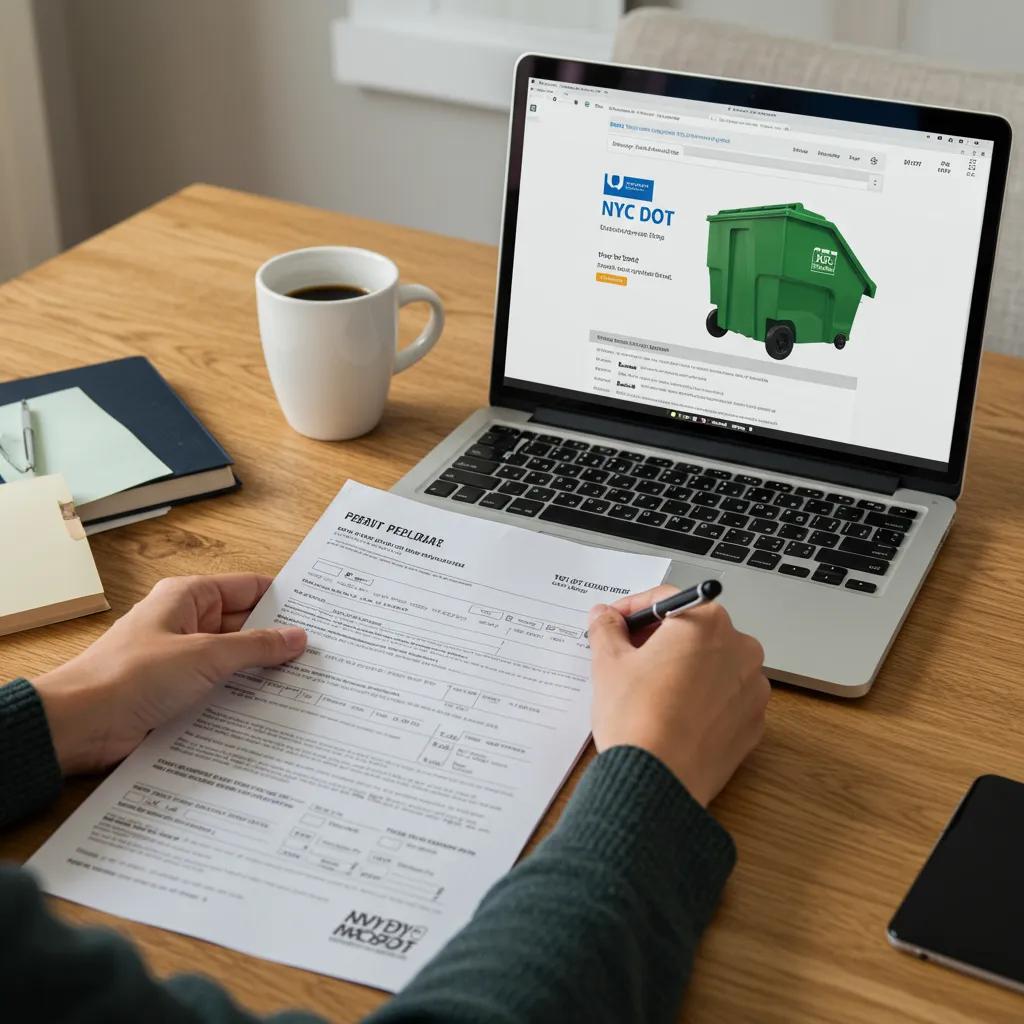
The NYC DOT dumpster permit process requires an application describing the placement location, dates for street occupancy, insurance or indemnity documents as specified, and payment of any applicable fees; processing timelines vary but planning at least 1–2 weeks ahead reduces schedule risk. Applicants submit details about the exact curb location, required signage or cones, start and end dates, and any street closure needs the project demands. The DOT evaluates safety impacts and issues the permit with conditions for placement and removal that must be followed to avoid citations. Starting the permit conversation early and confirming whether private property placement is feasible are practical ways to reduce the time and cost overhead tied to public-street placements.
Knowing this permit timeline brings us to the next question: how do permit fees fit into your overall dumpster budget?
How Does Permit Cost Affect Overall Dumpster Rental Prices?
Permit fees are an add-on to base rental and disposal charges and should be treated as a discrete line item in project budgets because they vary by location, duration of street occupancy, and any required traffic control services. In some cases, permit-related requirements—such as signage, barricades, or insurance—can add incremental costs that substantially affect small projects. Including permit fees and any required traffic-control labor in early estimates prevents underbudgeting and avoids last-minute rate increases. Planning for permit costs as part of the total project estimate gives a more accurate end-to-end price picture and reduces the likelihood of surprise charges that impact the final invoice.
How these permit needs are handled practically makes a difference to customers, which is why assistance from a rental provider is valuable when navigating DOT paperwork.
How Does Dumpster Rental Queens NY Pros Assist with Permits?
Dumpster Rental Queens NY Pros assists customers with the NYC DOT permit process by advising on whether a permit is required, summarizing the typical application components, and helping gather the information needed to apply or to request the appropriate documentation from property owners. This help reduces your effort and the risk of delays, as we understand local placement limits and can guide your application timing. For hands-on help with permits, readers are encouraged to contact Dumpster Rental Queens NY Pros at 718-400-6067 for direct assistance and to confirm permit-related cost implications for their specific Queens location. Clear guidance and practical support shorten lead times and reduce the administrative costs that otherwise add to rental pricing.
What Are the Differences Between Flat Rate and Variable Pricing Models in Queens?
Flat-rate and variable (weight-based) pricing represent two common models for dumpster rental costs, each with advantages and trade-offs that project owners should weigh against project specifics. Flat-rate pricing bundles delivery, pickup, a set rental period, and a predefined weight allowance into a single predictable price that minimizes surprise charges. Variable pricing separates base rental and disposal by weight and debris type, which can be cheaper for very light loads but risky when heavy materials are present. Choosing between models comes down to predictability versus potential savings for light debris; the table below clarifies these differences and guides decision-making for typical Queens projects.
- Flat-rate pricing offers predictable total cost and reduces billing surprises for mixed or uncertain debris types.
- Variable (weight-based) pricing can be cost-effective for very light, low-density debris but may lead to large overage charges for heavy materials like concrete.
- Hybrid approaches (flat rate with clearly stated weight allowance) provide a middle ground with transparent inclusions and per-ton overage rules.
After reviewing model features, the decision should be based on debris density estimates and project risk tolerance, which leads to the benefits of flat-rate pricing in certain scenarios.
What Are the Benefits of Flat Rate Dumpster Pricing?
Flat-rate pricing simplifies budgeting because one headline price covers delivery, pickup, a standard rental window, and a stated weight allowance, reducing the administrative burden of reconciling per-ton charges. This model is especially valuable for homeowners and small contractors who want price certainty and fewer billing surprises. Flat-rate offers often exclude specific hazardous materials, so reading inclusions and exclusions is essential to avoid misclassification at pickup. Choosing flat-rate pricing can be the best option for projects with mixed or unknown debris streams where the cost of avoiding overage fees offsets a slightly higher base price.
How Does Variable Pricing Work and What Are Its Risks?
Variable pricing sets a lower base rental fee and adds disposal charges based on measured weight and debris type, meaning total cost rises with denser or heavier materials. The risk comes from underestimating weight or not separating heavy items like concrete or soil, which can multiply disposal charges and make your final bill higher than an all-inclusive flat rate. Variable pricing benefits projects with very light, uncontaminated debris or where precise weight estimates can be reliably provided in advance. Accurate debris classification and conservative weight estimates are essential when choosing this model to avoid unexpected final costs.
How Does Seasonal Demand Influence Dumpster Rental Prices in Queens?
Seasonal demand causes rates to fluctuate because construction peaks, spring cleanouts, and busy contracting seasons concentrate demand for roll-off units and stretch local fleet capacity. During peak seasons, limited availability or increased dispatch needs can create temporary surcharges and longer lead times that push base prices higher. Conversely, off-peak windows can yield more flexible scheduling and lower negotiated rates for contractors and homeowners who can shift project timing. Recognizing seasonal cycles and planning around them helps customers secure better rates and avoid the rush-related premiums common in high-demand months.
Which Seasons Typically See Higher Dumpster Rental Costs?
Spring and summer typically show higher dumpster rental prices in Queens due to outdoor renovations, landscaping, and increased construction activity; developers and remodeling contractors schedule many projects during these months, tightening local capacity. Additionally, local infrastructure projects or a cluster of large developments can create short-term area-specific spikes regardless of calendar season. Holiday weeks and extreme weather events may also disrupt delivery schedules and raise operational costs. Anticipating these peak windows allows customers to book early or seek alternative days to minimize price impact.
How Can Customers Plan Around Seasonal Price Changes?
Customers can minimize seasonal price impacts by booking dumpsters well in advance of peak months, being flexible on delivery/pickup dates, and requesting written quotes that lock in rates for defined windows. Contractors should coordinate multiple job schedules to stagger dumpster needs or negotiate fleet commitments for predictable pricing. Homeowners with flexible timelines can consider off-peak months or weekday deliveries when traffic and demand are lower. These planning tips reduce rescheduling fees and help you compare flat-rate and variable offers more easily.
What Items Are Prohibited in Queens Dumpster Rentals and Why?
Certain items are commonly prohibited in rented dumpsters because they pose environmental, safety, or regulatory risks and require special handling or disposal streams. Hazardous household wastes, certain electronics, tires, gasoline or solvents, asbestos-containing materials, and medical waste are frequently excluded from standard roll-off service. Providers enforce these restrictions to comply with landfill rules and to avoid regulatory fines and safety incidents. Below is a concise list of typical prohibited items, reasons for prohibition, and suggested alternatives for lawful, safe disposal.
Which Common Items Are Not Allowed in Rented Dumpsters?
Commonly prohibited items include hazardous chemicals, batteries, propane tanks, tires, medical waste, fluorescent bulbs containing mercury, certain electronics, and materials suspected to contain asbestos; these are barred because they create contamination risk, require specialized recycling or treatment, or pose fire and safety hazards. Violating these exclusions can lead to fines, rejected loads at transfer stations, and additional return-trip fees to remove banned materials. Identifying and separating these items before ordering a dumpster prevents costly compliance issues and keeps your project on track. When in doubt, list suspected hazardous items to the rental provider during the quote process to get specific guidance.
What Are the Alternatives for Disposing of Prohibited Items?
Safe alternatives for prohibited items include household hazardous waste (HHW) collection events, certified electronics recycling centers, tire retailers or special tire recycling programs, and licensed asbestos abatement contractors for suspect building materials. Many municipalities operate HHW drop-off programs or periodic collection events that accept paint, solvents, and batteries; electronics recyclers handle televisions and computers; auto shops and specialized recyclers accept tires. Using these alternatives prevents illegal dumping, reduces legal exposure, and often yields better environmental outcomes. For tricky situations, ask your rental provider about disposal options to save time and avoid costly mistakes.
How Can You Get an Accurate Dumpster Rental Quote in Queens?
Accurate quotes require specific, repeatable inputs that let providers calculate delivery, disposal, permit, and rental-period costs reliably; supplying complete information up front reduces back-and-forth and helps secure a firm, written estimate. Below is a checklist of the exact information to provide when requesting a precise quote, followed by a short explanation of how providers present transparent pricing so customers understand included and excluded charges.
What Information Should You Provide for a Precise Quote?
When requesting a quote, provide the following details so the provider can produce a clear, itemized estimate:
- Zip code and exact site location: specify curb placement versus private property and any access constraints.
- Dumpster size desired and estimated percent fill: state 10/20/30/40-yard preference and whether you expect full or partial fill.
- Debris type(s): classify primary materials (household junk, construction debris, concrete, yard waste, mixed).
- Estimated weight or known heavy materials: indicate if concrete, soil, or brick will be included.
- Desired rental duration and flexibility: state target drop-off and pickup dates and whether extensions might be needed.
- Permit needs and street placement: note if street curb placement is required so permit fees can be included.
Providing these inputs lets the provider calculate delivery zone fees, tipping fees by debris category, included weight allowances, and any permit costs that apply. This checklist is key to getting an accurate, side-by-side comparison of flat-rate versus variable options.
| Quote Input | Why It Matters | Example Value |
|---|---|---|
| Zip code / site location | Determines delivery zone and parking/permit needs | Queens ZIP example |
| Dumpster size | Sets base price and capacity | 20-yard |
| Debris type | Determines tipping fees and handling | Construction debris |
| Estimated weight | Impacts overage fee calculations | 2 tons |
| Rental duration | Sets inclusion window or extension fees | 7–10 days |
How Does Dumpster Rental Queens NY Pros Ensure Transparent Pricing?
Dumpster Rental Queens NY Pros ensures transparent pricing by providing line-item explanations for base rental, included weight, applicable tipping or disposal fees, delivery and pickup charges, and any permit or zone-based surcharges, enabling customers to see how each element contributes to the total. When customers request a quote, the provider clarifies assumptions—such as expected weight allowances and excluded materials—and offers guidance on how changes in debris or duration will change the final invoice. For customers seeking a reliable written quote and clear fee disclosures, contacting Dumpster Rental Queens NY Pros produces a straightforward estimate that helps avoid surprises. To request permit assistance or a detailed, written quote, call 718-400-6067 to speak directly with a representative who can outline inclusions and next steps.
How Do You Choose the Right Dumpster Size and Service for Your Queens Project?
Choosing the right dumpster size and service type depends on project scale, debris composition, access constraints, and whether the project is residential, commercial, or construction-focused; matching these variables reduces cost and avoids operational delays. Residential projects often require smaller 10–20-yard containers and need minimal permitting when placed on private property, while commercial and construction jobs typically use 30–40-yard roll-offs and must plan for increased tipping fees and permit compliance. Junk removal services are an alternative when volume is small, access is restricted, or speed is the priority. The subsections below map sizes to projects, compare service-type price drivers, and explain when junk removal is the better option.
What Dumpster Sizes Are Available and What Projects Are They Best For?
Common sizes and project matches are straightforward: 10-yard dumpsters fit single-room or small renovation debris, 20-yard units suit medium remodels and multi-room cleanouts, 30-yard containers handle full-house renovations or small demo projects, and 40-yard dumpsters serve large demolitions and commercial builds. Choosing a slightly larger dumpster than you think you’ll need helps avoid overfilling, but ordering one that’s too big wastes money and makes placement harder on tight Queens lots. When in doubt, a 20-yard dumpster is a flexible compromise for many homeowner projects and often balances cost with capacity. Selecting the right size reduces the likelihood of extensions, overage fees, and unnecessary maneuvering fees.
How Do Residential, Commercial, and Construction Dumpster Rentals Differ in Price?
Residential rentals often charge one-off rates adjusted for small loads and shorter rental periods, while commercial accounts may receive contract pricing for recurring needs that spreads fleet costs over multiple jobs. Construction projects usually generate denser debris streams and require longer rental windows, heavier permitted weight allowances, and more frequent permitting—each of which increases disposal and administrative costs. In addition, commercial and construction clients often need larger containers and coordinated drop-off windows, which affect scheduling and possible premium delivery times. Understanding these differences helps you negotiate appropriate terms and avoid paying construction-level rates for small residential jobs.
When Is Junk Removal a Better Option Than Dumpster Rental?
Junk removal is preferable when volume is small, access is too tight for a roll-off, or the timeline requires immediate removal without waiting for delivery slots or permit approvals. A single pickup by a junk removal crew eliminates the need to supervise a delivered container, avoids permit complications for street placement, and can be more economical when materials fit into one or two truckloads. However, for larger renovation or demolition projects with continuous waste generation, a dumpster provides the best balance of cost and convenience. Think about your expected volume, access, and timing: if the job will produce multiple truckloads or needs on-site drop-and-fill convenience, choose a dumpster. Otherwise, get a junk removal estimate for quick disposal.
For tailored pricing and project-specific guidance, contact Dumpster Rental Queens NY Pros at 718-400-6067 to discuss your options and get a written estimate that reflects your project’s size, debris mix, permit needs, and scheduling constraints.
Frequently Asked Questions
When selecting a dumpster rental company in Queens, consider factors such as their reputation, customer service, pricing transparency, and availability. Look for companies that provide clear quotes without hidden fees and have positive reviews from previous customers. Additionally, check if they offer assistance with permits and have a variety of dumpster sizes to meet your project needs. A reliable company should also be responsive to inquiries and provide guidance on the best options for your specific situation.
Yes, there can be additional fees associated with dumpster rentals. Common extra charges include overage fees for exceeding weight limits, extension fees for keeping the dumpster longer than the agreed rental period, and permit fees if the dumpster is placed on public property. It’s essential to clarify these potential costs with your rental provider upfront to avoid surprises on your final bill. Understanding the terms of your rental agreement can help you budget more accurately.
To prepare your site for dumpster delivery, ensure that the designated placement area is clear of obstacles such as vehicles, debris, or low-hanging branches. If the dumpster will be placed on a public street, check for any local regulations or permit requirements. Additionally, consider the accessibility of the site for the delivery truck, especially in narrow or congested areas. Providing clear instructions to the rental company about the best placement spot can facilitate a smooth delivery process.
If you exceed the weight limit of your rented dumpster, you will incur overage fees, which are typically charged per ton over the allowance. The rental company will weigh the dumpster at the landfill or transfer station and bill you for any excess weight. To avoid these charges, it’s advisable to estimate the weight of your debris accurately and separate heavier materials into different containers if possible. Communicating with your rental provider about your expected load can also help manage costs.
Yes, many dumpster rental companies offer short-term rentals, including single-day options. However, availability may vary based on demand and the specific company’s policies. Renting for just one day can be convenient for quick cleanouts or small projects, but be sure to confirm the terms and any associated costs with the provider. If you anticipate needing the dumpster for longer, consider discussing flexible rental periods to avoid additional fees.
If you need to change your dumpster rental schedule, contact your rental provider as soon as possible. Most companies are willing to accommodate changes, but policies may vary regarding rescheduling or cancellations. Be aware that changes made close to the delivery date may incur additional fees. Providing as much notice as possible will help ensure a smooth adjustment to your rental timeline without incurring extra costs.
Yes, there are specific regulations for dumpster rentals in Queens, particularly regarding placement on public streets or sidewalks. A permit from the NYC Department of Transportation (DOT) is typically required for curbside placement. Regulations ensure safety and traffic control, so it’s essential to understand the permit process and any associated fees. Working with a rental company that assists with permits can simplify compliance and help avoid penalties for illegal placement.
Conclusion
Understanding what affects dumpster rental prices in Queens helps residents and contractors make smart decisions, saving you time and money. By considering elements such as size, rental duration, debris type, and permit requirements, you can avoid unexpected costs and streamline your project. For personalized assistance and transparent pricing tailored to your specific needs, reach out to Dumpster Rental Queens NY Pros today. Let us help you navigate the rental process and ensure a successful project outcome.