How to Choose Dumpster Size | Smart Brooklyn Rental Tips
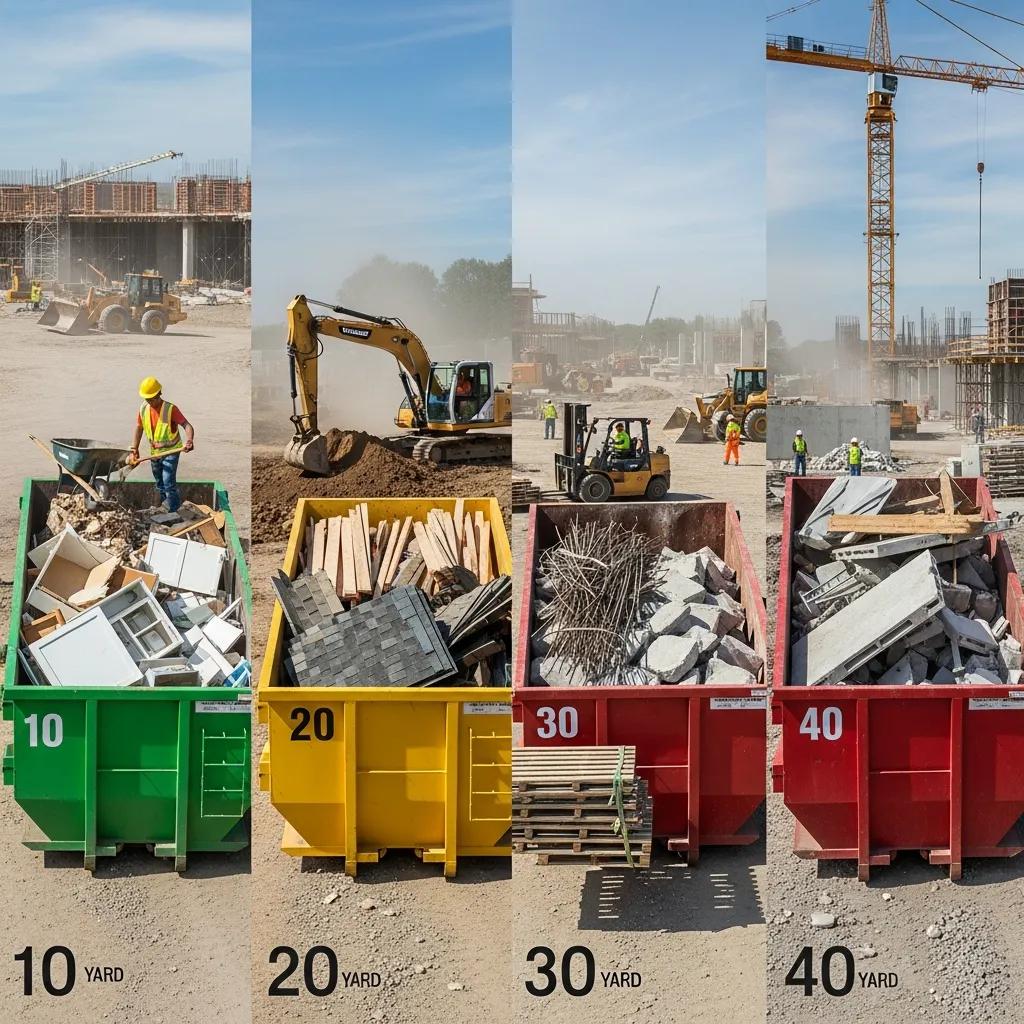
Top Considerations for Selecting Dumpster Sizes: A Clear Guide for Queens NY Projects
Choosing the right dumpster size saves time and money for renovations, cleanouts, or construction. This guide summarizes the main factors, common sizes, and practical recommendations for projects in Queens, NY, ensuring efficient waste management tailored to local regulations and conditions. Understanding the unique zoning laws, permit requirements, and waste disposal options in Queens is essential for a smooth project experience.
Key Considerations:
Decide based on waste type and estimated volume, where the dumpster will sit, and your budget. Clarifying these before ordering prevents delays and extra charges.
Aligning dumpster capacity with project needs improves storage efficiency and reduces unnecessary handling.
Optimizing Dumpster Size & Waste Storage for Projects
Dot indicates available size of container from waste management company. Therefore, criteria for the project size or waste storage space should accompany mandates to ensure the
Improvement Management and Predictive Volume Estimation of Plastic Waste at a Swedish Construction Company, 2024
- Project Size and Type: Match dumpster size to the scope—bigger jobs need larger containers.
- Type of Waste: Heavy or dense materials affect weight limits more than bulky, light items.
- Space Availability: Verify placement room and access before ordering, especially considering Queens’ urban density and street parking regulations.
- Budget Considerations: Balance rental and haul costs with container capacity and duration.
For Queens clients, Dumpster Rental Queens NY Pros offers common sizes suited to residential and commercial needs, with expert guidance on local permit requirements and placement restrictions. Their knowledge of Queens-specific waste disposal facilities and recycling programs ensures compliance and environmental responsibility.
Common Dumpster Sizes:
Below are standard containers used frequently; reference dimensions and typical uses to pick the right unit.
| Dumpster Size | Dimensions (ft) | Capacity (tons) | Ideal For |
|---|---|---|---|
| 10-yard | 12 x 8 x 4 | 1-2 | Small cleanouts, yard waste |
| 20-yard | 20 x 8 x 4 | 2-3 | Medium-sized renovations |
| 30-yard | 22 x 8 x 6 | 3-4 | Larger projects, significant renovations |
| 40-yard | 22 x 8 x 8 | 4-5 | Major construction, commercial sites |
Use the table to compare volume and weight capacity against your expected debris. Queens projects often require consideration of local disposal site restrictions and recycling mandates, which can influence dumpster size choice.
Recommendations for Specific Projects:
Match common project types to the right size to avoid overpaying or needing extra hauls.
- Small Home Cleanouts: 10-yard units suit garages, attics, and small clear-outs.
- Kitchen or Bathroom Renovations: 20-yard dumpsters handle cabinetry, fixtures, and flooring debris.
- Large Remodels or Small Construction Jobs: 30-yard containers provide room for mixed materials.
- Major Construction or Commercial Projects: 40-yard dumpsters support heavy demolition and large volumes.
Additional Factors:
Also confirm permit needs, rental length, and weight limits to avoid fines and overage fees.
- Permits for Public Placement: Street placement often requires a municipal permit from Queens authorities. Early application is critical due to processing times and local regulations.
- Rental Duration: Plan a rental window that matches your schedule to reduce extensions and additional fees.
- Weight Limits: Watch tonnage limits for heavy materials to prevent surcharges. Queens waste management providers can advise on weight restrictions specific to your dumpster size.
Dumpster Sizes for Different Project Scales
Smaller cleanouts fit 10-yard units; medium renovations typically use 20-yard containers; larger remodels use 30-yard dumpsters; major construction generally needs 40-yard units. Queens’ urban environment may require additional planning for placement and access.
Standard Dimensions and Volumes of Available Dumpsters
Common dimensions and pickup-load equivalents help translate project volume into the right container choice.
| Dumpster Size | Dimensions (ft) | Volume (pickup loads) |
|---|---|---|
| 10-yard | 12 x 8 x 4 | 1 pickup load |
| 20-yard | 20 x 8 x 4 | 2 pickup loads |
| 30-yard | 22 x 8 x 6 | 3 pickup loads |
| 40-yard | 22 x 8 x 8 | 4-5 pickup loads |
Compare these values with your estimate to choose efficiently. Queens residents should also consider local recycling and disposal options to optimize waste management.
Choosing the Right Dumpster Size for Home Renovations in Queens
Assess scope, estimate volume, confirm space, and check local regulations before ordering.
- Assess Project Scope: Note demolition, fixtures, and finish materials.
- Estimate Waste Volume: Use calculators or ask a rental provider for an estimate.
- Consider Space Constraints: Ensure driveways or streets can accommodate the unit, factoring in Queens’ narrow streets and parking rules.
- Understand Local Regulations: Verify placement rules and permit needs specific to Queens, NY.
Dumpster Sizes That Best Fit Small to Medium Home Projects
Choose between 10-, 20- and 30-yard options depending on debris volume and weight.
- 10-yard dumpster: Small cleanouts and minor renovations.
- 20-yard dumpster: Kitchen or bathroom remodels.
- 30-yard dumpster: Larger renovations or small construction jobs.
Estimating Waste Volume for Residential Renovations
Define the project scope, use online calculators or a vendor estimate, then pick a container that meets that volume without exceeding weight limits.
- Assessing Project Scope: List materials to be removed.
- Using Calculators: Enter items to estimate cubic yards.
- Choosing the Appropriate Size: Add a safety margin to avoid overfill.
Recommended Dumpster Sizes for Construction and Commercial Debris
Construction and commercial sites typically use 20-, 30-, or 40-yard dumpsters; 10-yard units are for light debris or tight spaces.
- 10-yard dumpster: Light debris or very small jobs.
- 20-yard dumpster: Medium renovations and cleanouts.
- 30-yard dumpster: Larger renovation and construction debris.
- 40-yard dumpster: Major demolition and large-scale projects.
Dumpster Sizes Suitable for Large Construction and Contractor Projects
Large construction often requires 30- or 40-yard containers to minimise multiple hauls and manage heavy volumes efficiently.
- 30-yard dumpster: Significant renovations and larger jobs.
- 40-yard dumpster: Major demolition and extensive commercial work.
Influence of Waste Types on Dumpster Size Selection
Match material density to weight limits: bulky, light items need volume; dense materials consume tonnage quickly.
- 10-yard dumpster: Light yard waste and small cleanouts.
- 20-yard dumpster: Moderate renovation debris.
- 30-yard dumpster: Heavy construction materials.
- 40-yard dumpster: Very heavy or large-volume debris (concrete, metal).
Key Pricing and Rental Considerations for Dumpster Sizes in Queens
Costs vary by size, rental length, waste type, permits, and overweight fees—budget for these when comparing quotes.
- Average Costs: 10-yard dumpster: Approximately $300 to $450. 20-yard dumpster: Approximately $450 to $600. 30-yard dumpster: Approximately $600 to $850. 40-yard dumpster: Over $850.
- Factors Affecting Rental Duration and Costs: Rental length and waste type drive price.
- Additional Fees and Permits: Expect potential overweight charges and permit costs for street placement in Queens.
Effect of Rental Duration on Dumpster Rental Costs
Standard rental windows are usually 7–14 days; extensions typically add fees—plan timelines with your provider.
Local Regulations Impacting Dumpster Rental Pricing and Usage
Permits, zoning rules, and prohibited items affect where and how you can use a dumpster. Confirm local requirements to avoid penalties.
- Permit Requirements: Street placement often requires municipal approval from Queens Department of Transportation or local authorities. Early application is advised due to processing times.
- Zoning Laws and Regulations: Some areas restrict placement or appearance to maintain neighborhood standards, especially in historic districts or residential zones.
- Prohibited Items: Hazardous materials and certain electronics often cannot go in standard dumpsters. Queens has designated disposal sites for these materials.
Frequently Asked Questions
What should I do if I need a dumpster for a public street?
Contact the Queens municipal office to confirm permit application, fees, and placement rules before scheduling delivery. Early application is recommended to avoid delays.
How can I avoid exceeding the weight limit of my dumpster?
Check the weight allowance, estimate material weights, break down heavy items, and spread weight evenly. Ask your provider for guidance specific to Queens regulations.
What are the common prohibited items in dumpsters?
Typical prohibitions include hazardous chemicals, batteries, tires, refrigerant appliances, some electronics, paint, and medical waste. Arrange proper disposal for restricted items through Queens waste management services.
How do I determine the rental duration for my dumpster?
Estimate time based on project scope. Standard rentals are 7–14 days; arrange extensions with your provider if needed.
Can I rent a dumpster for a single day?
Yes—many companies offer short-term or single-day rentals, though price and availability vary by size and demand.
What factors can affect the overall cost of dumpster rental?
Size, rental duration, waste type, overweight fees, permits, and market demand affect total cost. Request itemised quotes from multiple providers serving Queens to ensure competitive pricing.
How can I ensure proper waste disposal during my project?
Separate recyclables, avoid prohibited items, follow local rules, and use recycling services where possible to reduce landfill disposal. Queens offers several recycling centers and hazardous waste drop-off locations to assist.
Determining What Size Dumpster You Need
To determine the right dumpster size, assess the volume and type of waste your project will generate, consider the space available for placement, and factor in your budget. Using online volume calculators or consulting with a rental provider familiar with Queens projects can help estimate the appropriate size to avoid overfilling or unnecessary costs.
Are All 20 Yard Dumpsters the Same Size?
While 20-yard dumpsters generally have similar dimensions, slight variations can exist between rental companies. It’s important to confirm exact measurements and weight limits with your provider to ensure the dumpster fits your project’s needs and site constraints in Queens.
Common 20 Yard Dumpster Mistakes
Common mistakes with 20-yard dumpsters include underestimating the volume of waste, ignoring weight limits which can lead to extra fees, not verifying space for placement, and failing to check local permit requirements. Proper planning and communication with your rental company can help avoid these issues.
Conclusion
Choosing the right dumpster size ensures efficient, compliant waste handling and controls project costs. Use the size table, match capacity to your waste, and consult local Queens providers for final recommendations and permits. Staying informed about Queens-specific regulations and services enhances project success and environmental responsibility. Leveraging local expertise and adhering to municipal guidelines will help your project proceed smoothly and sustainably.